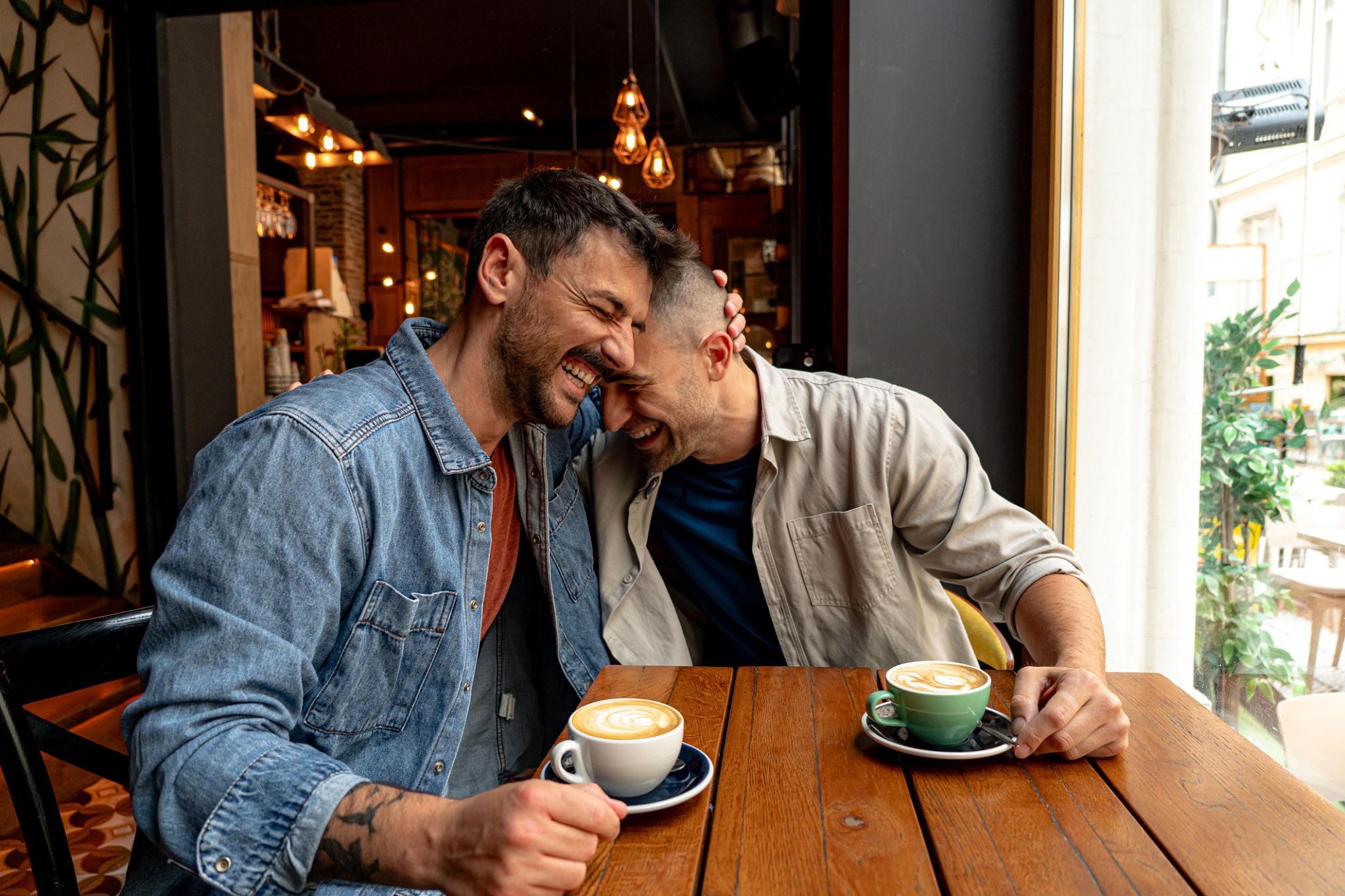
For many gay men, there can come a point in life when sex stops feeling like enough.
This does not necessarily mean you no longer enjoy sex. It does not mean casual sex is unhealthy, immature, or something you need to outgrow. And it certainly does not mean there is a particular age when every gay man should suddenly want a committed relationship.
What can happen, though, is that our relationship with sex, dating, intimacy, and connection changes as we change.
What once felt exciting may eventually leave us wanting something deeper.
We may begin to crave emotional intimacy, companionship, consistency, vulnerability, partnership, or simply the feeling of being truly known by another person.
For some gay men, this transition can be confusing.
You may find yourself asking, “Why doesn’t this feel fulfilling anymore?”
You may still want sex, but also want someone to talk to at the end of the day.
You may still enjoy dating apps, but feel increasingly exhausted by endless options.
You may still experience strong sexual attraction, but realise that chemistry alone does not create the kind of relationship you actually want.
There is nothing wrong with you.
You may simply be entering a different stage of relational development.
Here are some of the stages a gay man might move through as his relationship with sex, validation, intimacy, and connection evolves.

The First Stage, Exploration
For many gay men, sexual exploration can represent freedom.
Growing up gay can involve years of questioning, hiding, suppressing, or trying to understand our sexuality. Once we have the freedom to explore, sex can become an important part of discovering ourselves.
There can be excitement in finally being desired by another man.
There can be liberation in experiencing attraction openly.
There can be curiosity about our bodies, our sexuality, and what we enjoy.
There is nothing inherently wrong with this.
Sex can be pleasurable, playful, connecting, affirming, and an important part of understanding ourselves.
For some men, this stage may last for years.
For others, it may continue throughout their lives.
The important thing is that sexual exploration is not necessarily the problem.
The question is what role sex is playing in your life.

The Second Stage, Validation
Sometimes sex begins to serve another purpose.
It becomes a way of answering deeper questions about ourselves.
“Am I attractive?”
“Am I desirable?”
“Am I masculine enough?”
“Would someone choose me?”
“Am I good enough?”
Being wanted sexually can provide a powerful sense of affirmation.
For a moment, someone else’s desire can quiet our insecurities.
A message on an app, a compliment about our body, someone wanting to sleep with us, or being pursued by someone we find attractive can give us a temporary feeling of worth.
But validation has a problem.
It wears off.
Then we need it again.
This can create a cycle where sex is no longer primarily about pleasure or connection. It becomes one of the ways we regulate how we feel about ourselves.
And when that happens, the more we receive external validation, the more we may depend on it.

The Third Stage, The Realisation That Something Is Missing
Eventually, something may begin to shift.
You might still enjoy sex.
You might still find people attractive.
You might still use dating apps or enjoy casual encounters.
But something feels different.
You start noticing that being desired is not the same as being known.
Someone can want your body without knowing your heart.
Someone can find you incredibly attractive without being emotionally available.
Someone can give you an intense sexual experience without being capable of building a relationship with you.
And you may begin to realise that what you are actually craving is not simply more attention.
You are craving connection.
You want someone who is curious about who you are.
You want conversation.
Affection.
Emotional safety.
Consistency.
Someone who wants to know your inner world, not just your body.
This can be an important turning point.

The Fourth Stage, Craving Deeper Connection
At this point, your definition of attraction may begin to change.
You still want physical attraction, of course.
But you may begin to notice other forms of attraction becoming increasingly important.
Emotional safety.
Intellectual connection.
Shared values.
Emotional availability.
Kindness.
Consistency.
A sense of humour.
The ability to communicate.
The ability to repair after conflict.
You begin asking different questions.
Not only,
“Do I want him?”But,
“Can I actually build something with him?”
This is a significant shift.
You are beginning to distinguish between chemistry and compatibility.
Chemistry can tell you that you are drawn to someone.
Compatibility tells you whether the two of you can create a healthy relationship together.
You need both, but they are not the same thing.

The Fifth Stage, The Grief of Outgrowing What Once Worked
This stage can be surprisingly painful.
When your desires change, the environment around you does not necessarily change with you.
You may find yourself participating in dating spaces that no longer feel aligned with what you want.
You may become tired of endless swiping.
Tired of conversations that immediately become sexual.
Tired of people disappearing.
Tired of feeling like everyone is looking for something different.
You might start wondering,
“Where are the men who want what I want?”
There can also be a sense of loneliness.
You may feel caught between two worlds.
You no longer feel fulfilled by some of the ways you previously connected with men, but you have not yet found the kind of relationship you are looking for.
This can make you question yourself.
But sometimes outgrowing something requires grieving it.
You may need to let go of old ways of relating before you have created new ones.

The Sixth Stage, Learning How to Do Intimacy
Wanting a relationship does not automatically mean knowing how to have one.
This is an important distinction.
Many gay men did not necessarily receive healthy models for emotional intimacy growing up.
We may have learned how to hide.
How to fit in.
How to avoid rejection.
How to appear confident.
How to be desirable.
How to protect ourselves.
But intimacy requires a different set of skills.
It asks us to communicate our needs.
Set boundaries.
Express emotions.
Tolerate vulnerability.
Navigate conflict.
Receive affection.
Ask for reassurance.
Stay present when things feel uncomfortable.
Allow someone to see us without constantly managing how we are perceived.
These are not personality traits.
They are relational skills.
And they can be learned.

The Seventh Stage, Choosing Differently
As you become more aware of what you actually want, your choices may begin to change.
You may become less interested in whether someone simply finds you attractive and more interested in whether they are capable of building something with you.
You start paying attention to consistency.
How does he communicate?
Does he follow through?
Can he talk about difficult things?
Does he respect boundaries?
Does he take responsibility when something goes wrong?
Does he make space for your emotions?
Can you be yourself around him?
You may begin to realise that the qualities that make someone a good sexual partner are not necessarily the same qualities that make someone a good life partner.
This does not mean you should stop caring about physical attraction.
It means attraction becomes one part of the picture rather than the entire picture.

The Eighth Stage, Learning to Slow Down
One of the biggest shifts can be learning that intimacy takes time.
When we experience strong chemistry, it can be tempting to move quickly.
We may become sexually involved very early.
We may spend hours talking.
We may fantasise about the future.
We may become emotionally invested before we have actually learned much about the person.
Intensity can create the feeling that something profound is happening.
But intensity is not necessarily intimacy.
Sometimes we need time to see who someone actually is.
How they behave when they are stressed.
How they handle disappointment.
How consistent they are.
How they communicate when something goes wrong.
Whether their words match their actions.
Whether your values actually align.
Slowing down creates space for reality to emerge.
And sometimes, steady starts to feel more attractive than intense.

The Ninth Stage, Integration
Eventually, the goal does not have to be choosing between sex and intimacy.
You can want both.
You can enjoy your sexuality while also wanting emotional depth.
You can have casual sex if that genuinely feels good and aligned with your values.
You can desire a committed relationship without believing casual sex is inherently wrong.
You can enjoy your body without using sex to prove your worth.
You can experience sexual desire without abandoning your emotional needs.
Sex becomes one part of intimacy rather than the only form of intimacy available to you.
This can be a much more integrated relationship with sexuality.
And Then Something Deeper Happens
Eventually, you may stop asking,
“What can I get from this?”
And start asking,
“What am I actually trying to create?”
Are you looking for sex?
Validation?
Excitement?
Connection?
Companionship?
Love?
Partnership?
Emotional intimacy?
There is no shame in any of these desires.
The important thing is becoming honest with yourself.
Because sometimes the hardest part is not finding the right person.
It is becoming honest enough with yourself to stop participating in relationships that cannot give you what you are looking for.
You Are Allowed to Want More
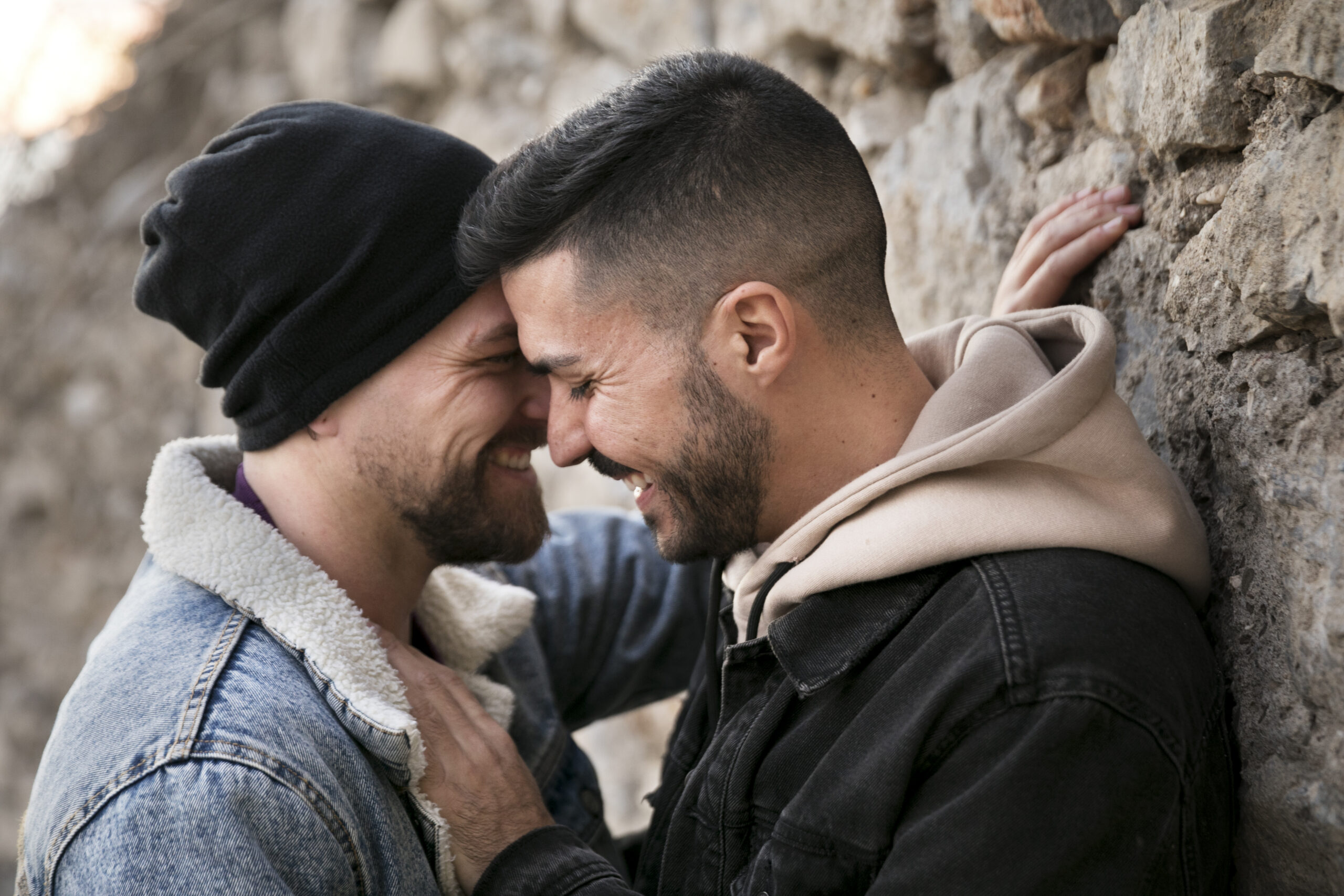
You are allowed to outgrow casual sex.
You are allowed to still enjoy casual sex.
You are allowed to want a boyfriend.
You are allowed to want partnership.
You are allowed to want emotional intimacy.
You are allowed to want something slow, meaningful, and real.
You are allowed to change your mind about what you want.
And you do not have to apologise for it.
Your sexuality can evolve.
Your understanding of intimacy can evolve.
Your relationship with yourself can evolve.
And as you become more connected to yourself, you may begin to realise that what you are looking for has changed too.
Maybe you are no longer simply looking for someone who wants you.
Maybe you are looking for someone who knows you, chooses you, respects you, feels safe with you, and wants to build something with you.
That is not asking for too much.
It may simply mean you are ready for more.

A Final Reflection
If you find yourself wanting more than just sex, you do not have to judge where you have been.
You do not need to make your past wrong in order to choose something different now.
Maybe sex once gave you exploration.
Maybe it gave you validation.
Maybe it helped you feel desirable.
Maybe it helped you connect with other men.
Maybe it was simply fun.
All of those experiences can be part of your story.
But you are allowed to ask yourself what you want now.
Because the goal is not to become the kind of gay man who no longer wants sex.
The goal is to become a gay man who is conscious of what he wants, why he wants it, and whether the way he is relating to other people is actually aligned with it.
Sometimes growing means wanting more.
And sometimes wanting more is the beginning of discovering what deeper intimacy can actually feel like.
Lift your cheekbones,
Matt